8
Oregon Governors
For more than a century, the University of Oregon has built an athletic legacy defined by excellence, leadership, and individuals whose achievements continue to inspire us.
More than 300 programs across nine schools and colleges. Find your path — from undergraduate degrees to advanced research.
Academics OverviewYour journey to the UO starts here. Submit an application, explore financial aid and scholarships, or schedule a campus visit.
Admissions OverviewLife at the UO is more than classes. It's community, culture, and the kind of experiences that shape who you become.
Student Life OverviewFounded in 1876, the University of Oregon has grown into an R1 research university. Discover the people, moments, and milestones that shaped the UO—and see where we’re headed.
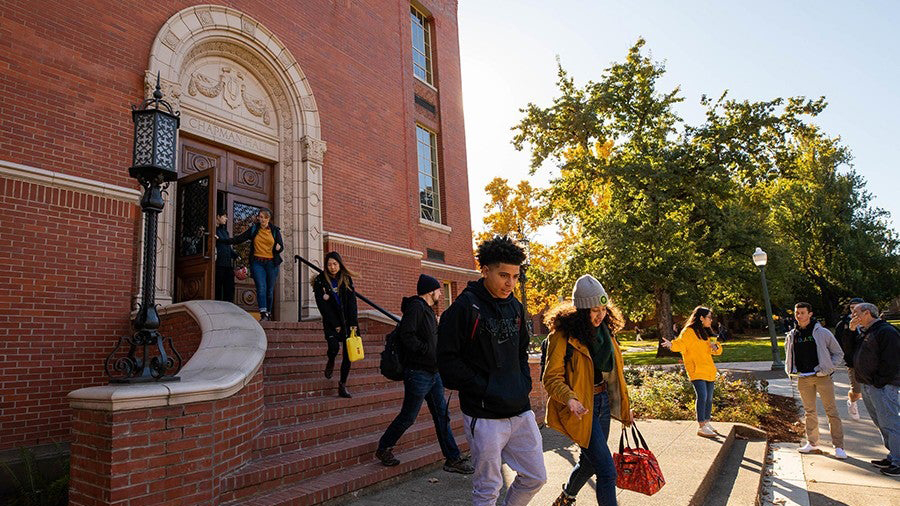
The Story of Oregon
At the University of Oregon, momentum is part of our DNA. From groundbreaking research to bold innovation, this has always been a place where action leads to impact. What starts here continues to move people, ideas, and the world forward.
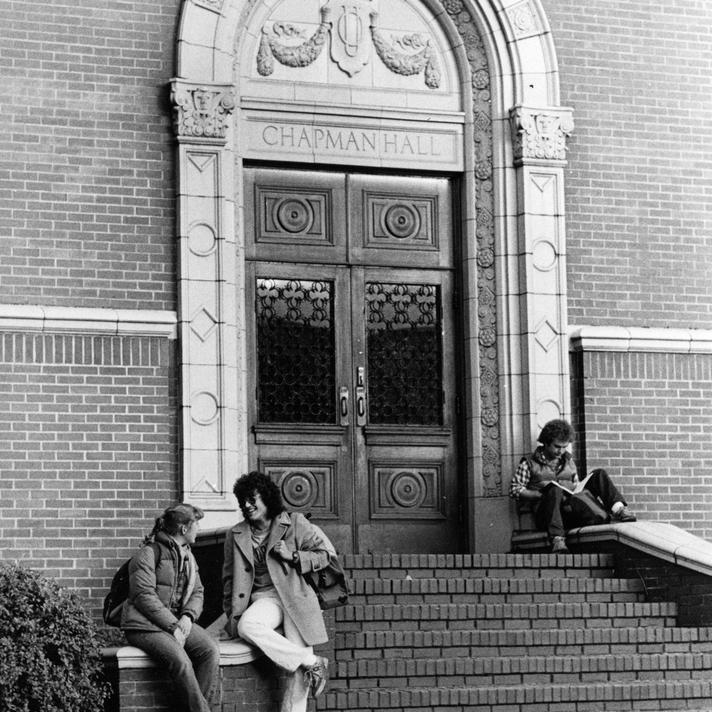
At UO, we prefer to stay focused on the horizon, but don’t lose sight of the flight path that brought us here. This timeline traces that path, from our first class of five graduates to the R1 public research university we are today.
1876
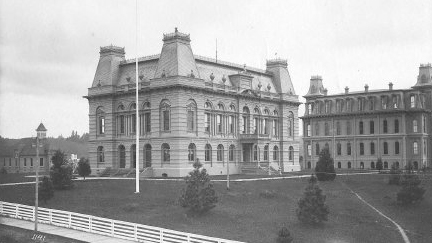
1890s
In 1894, the first UO football game takes place. The UO team is called the Webfoots, long before becoming the Ducks. Just one year later, the UO track team is formed, setting the stage for Eugene to become TrackTown USA, the running capital of the world.
Meanwhile, Oregon is rising. In 1902, Prince Lucien Campbell becomes UO’s fourth president. Under his leadership, the university expands its academic offerings, physical campus, and national reputation.
Early 20th-Century
1920s–30s
1920: The country’s most storied track and field stadium, Hayward Field, opens in 1920, named after legendary coach Bill Hayward.
1926: The university grants its first PhD degree.
1934: William Parry Murphy ’14 is awarded the Nobel Prize in Physiology or Medicine for his research on pernicious anemia.
1939: The UO Webfoots, nicknamed the “Tall Firs,” win the first-ever NCAA national basketball championship.
1940s
World War II reshapes campus. Enrollment plummets as young men enlist. By 1943, UO is largely comprised of women and younger students. Following Executive Order 9066 in 1942, Japanese American students are forced into incarceration camps. University officials, led by Dean of Students Karl Onthank, help these students transfer to schools in the Midwest and East to avoid the camps.
World War II ends in 1945, and the GI Bill triggers a massive influx of veterans into the university. Enrollment nearly doubles overnight; by 1946, a “Vets Village” of silver Quonset huts lines Agate Street, right across from Hayward Field.
1947: The Duck is Born. Athletic Director Leo Harris strikes a legendary handshake deal with Walt Disney that allows UO to use Donald Duck’s likeness as its mascot. The Duck, previously represented by a live white duck named Puddles, becomes the iconic visual identity the world knows and loves today.
1948: Bill Bowerman returns to his alma mater as head track and field coach and launches Oregon’s rise as a global powerhouse in athletics. This marks the start of Eugene, Oregon’s identity as “TrackTown USA.”
At the same time, construction starts on the Erb Memorial Union (EMU), in honor of the 242 UO students and alumni who died in the war. The EMU opens in Fall 1950, and serves as the new center of gravity for students on campus with its iconic “Fishbowl” cafeteria, bowling alley, and barbershop.
1950s–60s
In 1956, Jim Bailey runs the first sub-four-minute mile in the U.S. Six years later, Oregon clinches its first of seven NCAA men’s track titles (as of 2025). Building on this momentum, the university debuts Autzen Stadium in 1967 as the new home for Ducks football—honoring Portland philanthropist Thomas J. Autzen.
In 1959, the Institute of Molecular Biology launches as a U.S. leader in interdisciplinary research. By 1962, chemistry professor Virgil Boekelheide secures UO’s first-ever election to the National Academy of Sciences. That same year, Walter Brattain, MA ‘26, wins the Nobel Prize for his semiconductor research.
In 1969, the university joins the Association of American Universities (AAU), recognized for its research excellence.
1968
In 1968, the Grateful Dead plays its first concert at UO’s EMU Ballroom. The UO becomes the band’s “home away from home,” according to Grateful Dead archivist David Lemieux.
Campus-wide protests spread from 1969 into 1970, as students rally against U.S. involvement in the Vietnam War.
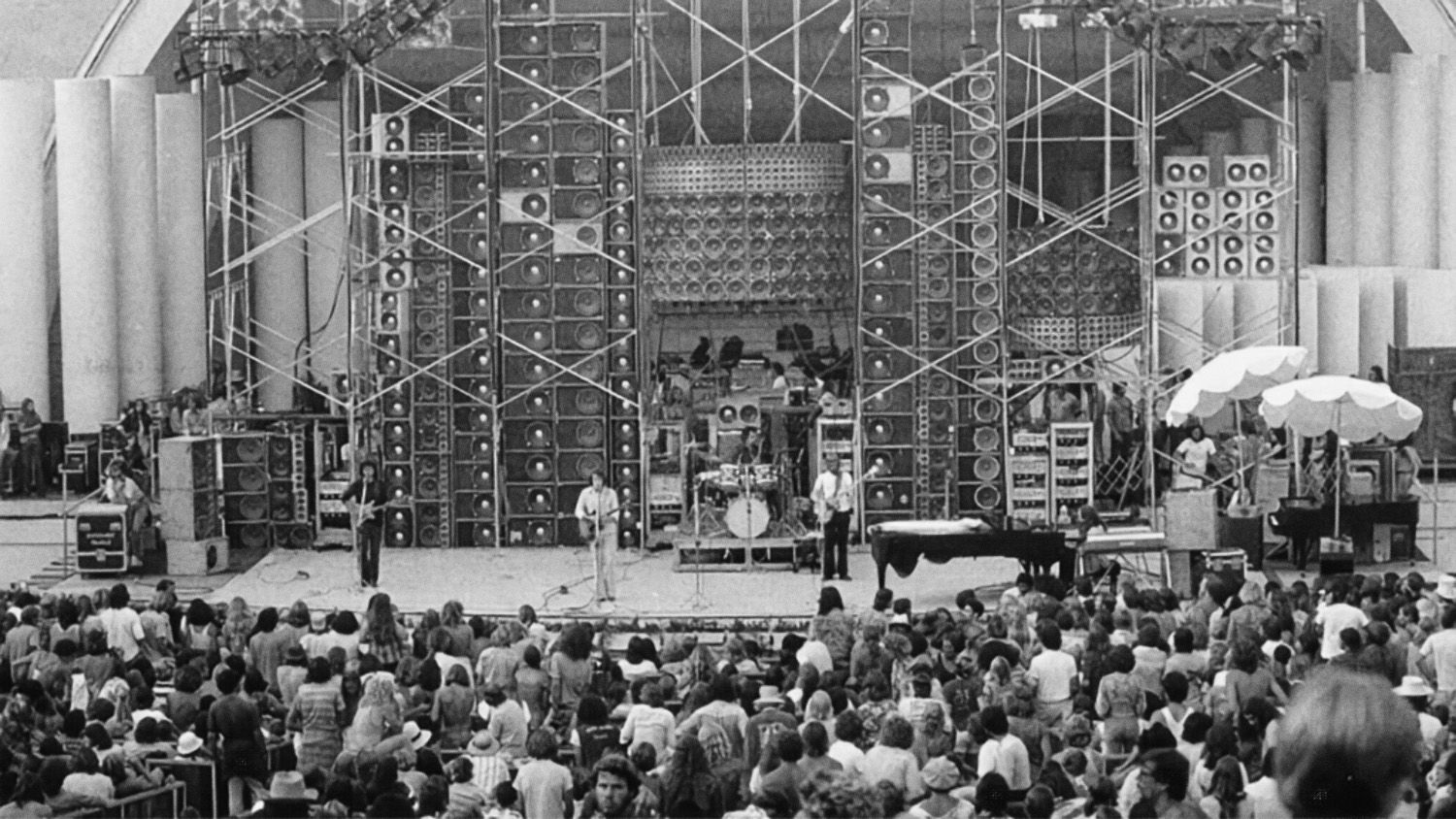
1970s–90s
At the start of the 1970s, men’s track and field coach Bill Bowerman and former UO track star Phil Knight engineer the first Nike running shoe and kickstart a global sneaker revolution. One year later, Oregon wins its first NCAA men’s cross-country championship, and in 1972, long-distance Oregon runner Steve “Pre” Prefontaine steps onto the world stage at the Munich Olympics.
Nike unveils UO’s iconic “O” logo in 1998: the interior honors Hayward Field while the exterior frames Autzen Stadium. During this same late-‘90s surge, the Ducks charge into the Rose Bowl, ending a 37-year drought for the Pac-10.
Oregon’s MVPs transcend the athletic realm. The College of Education’s Diane Bricker and Jane Squires launch the Ages and Stages Questionnaire in 1979, which continues to guide child developmental screening worldwide. In 1981, UO molecular biologist George Streisinger establishes the zebrafish as the world’s first vertebrate model for large-scale genetic research. This work triggers decades of discovery that yield life-saving drugs and treatments.
UO’s bold, experimental culture gains global attention. The Oregon Experiment, published in 1975, outlines a communal approach to campus design and building construction. National Lampoon films Animal House on campus in 1978.
A New Century
The University of Oregon is a forerunner in environmental sustainability. In 2003, the Lillis Business Complex opens and is recognized as the most environmentally friendly business school facility in the country. The school will be ranked #1 Green MBA in 2015.
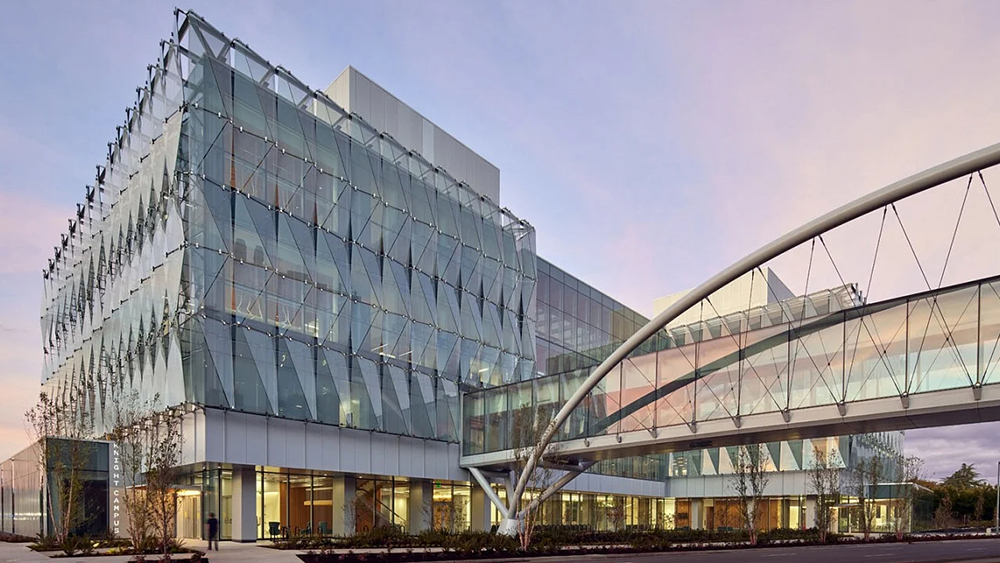
On the tech front, in 2016, the College of Business hosts QuackHack, the first-ever collegiate gaming hackathon. In 2020, the Phil and Penny Knight Campus for Accelerating Scientific Impact opens, with a mission to enable world-changing research unfettered by traditional academic boundaries.
Learn More About the Knight Campus
The Ballmer Institute for Children’s Behavioral Health launched on the Portland campus in March 2022. The same year, UO hosts the World Athletics Championships, and in 2024, Oregon joins the Big Ten Conference.
UO continues to build on its strengths as a leading Tier 1 national public research university and the No. 1 public university in Oregon.
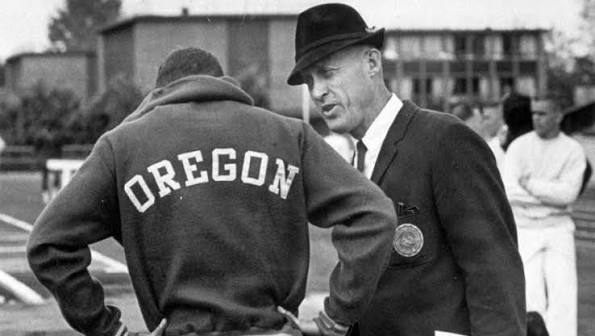
From our championship history to our legendary coaches and icons of sport, UO’s athletic legacy remains proof of our commitment to sustained excellence in everything we do—and our understanding of what it takes to get there.
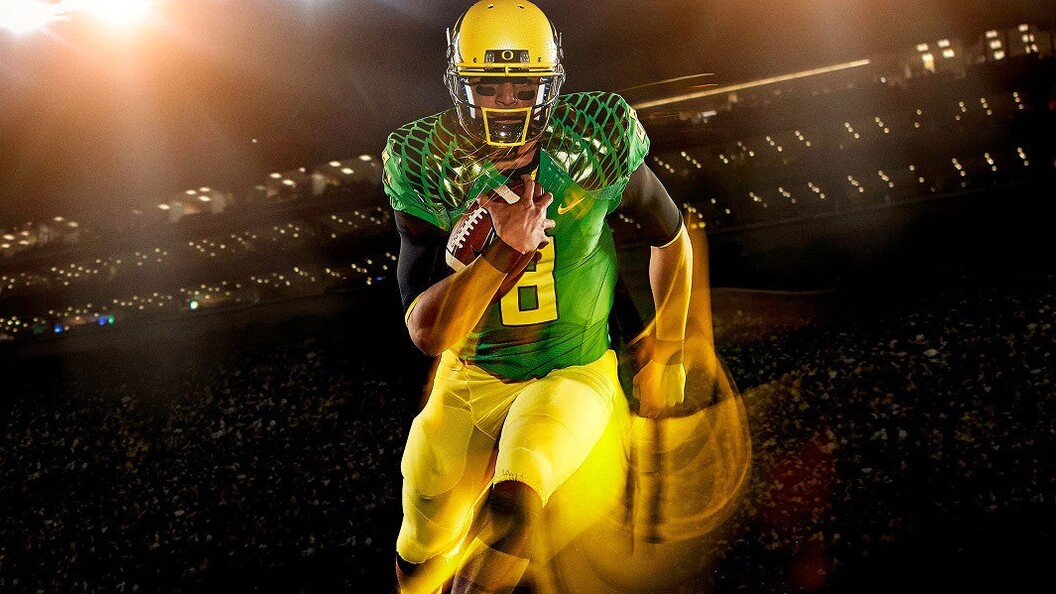
For more than a century, the University of Oregon has built an athletic legacy defined by excellence, leadership, and individuals whose achievements continue to inspire us.
Our alumni also include:
Bill Bowerman. Phil Knight. Sabrina Ionescu. These names have become synonymous with achievement at UO. Here are 100 more Ducks to know—game-changers, pacesetters, inspirations all.
Future Forward
At UO, we strive to prepare thoughtful leaders, elevate our impact, and serve the public good. In the years to come, we will be focused on four areas of impact, advancing research-driven solutions to complex global challenges.
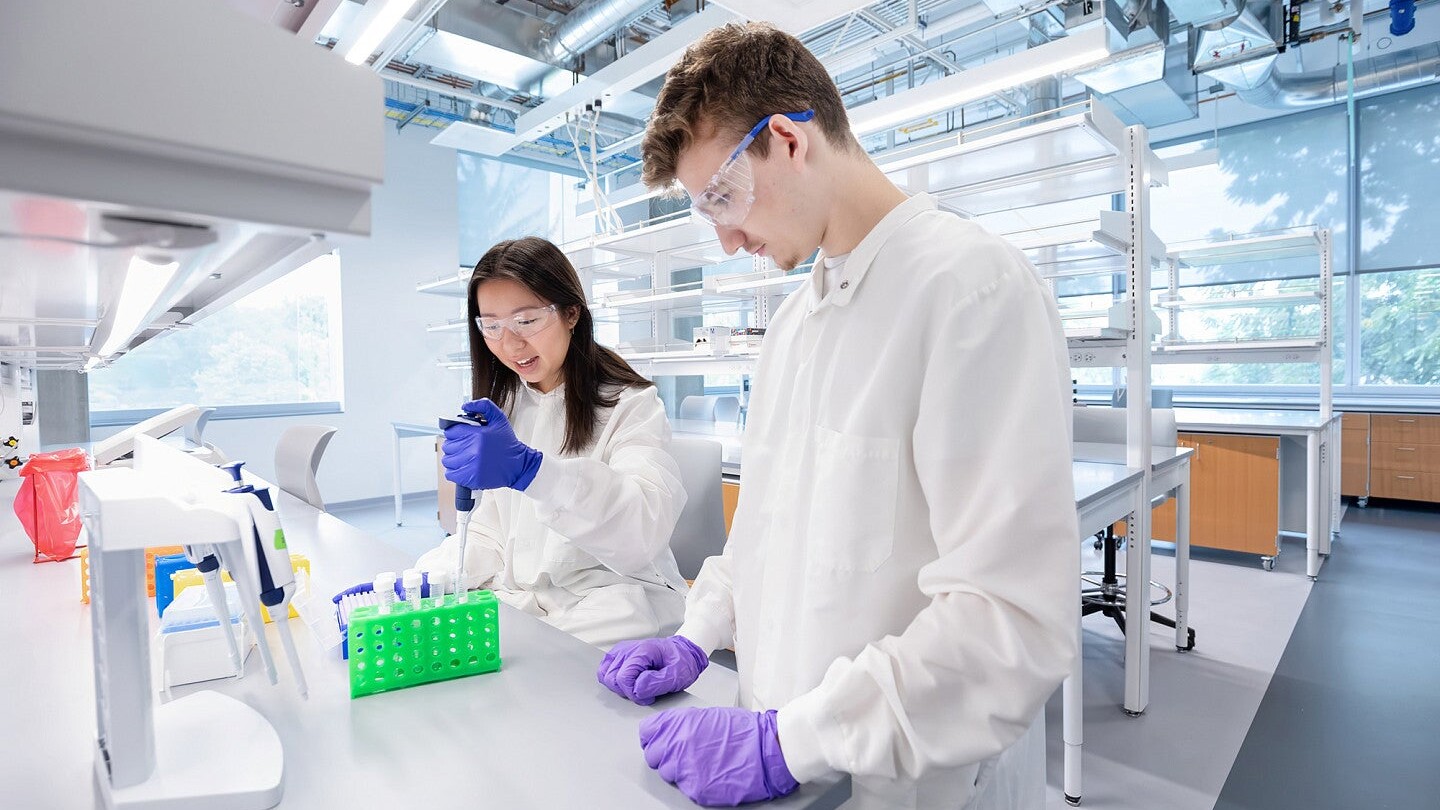
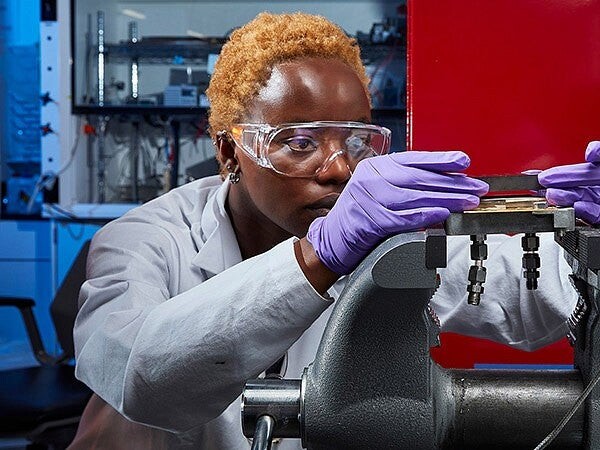
The Phil and Penny Knight Campus for Accelerating Scientific Impact is a hub of discovery and innovation. World-class bioengineers and bioscientists drive groundbreaking research and innovation.